Social Skills Aren’t Just Social: Understanding the Executive Functioning Connection
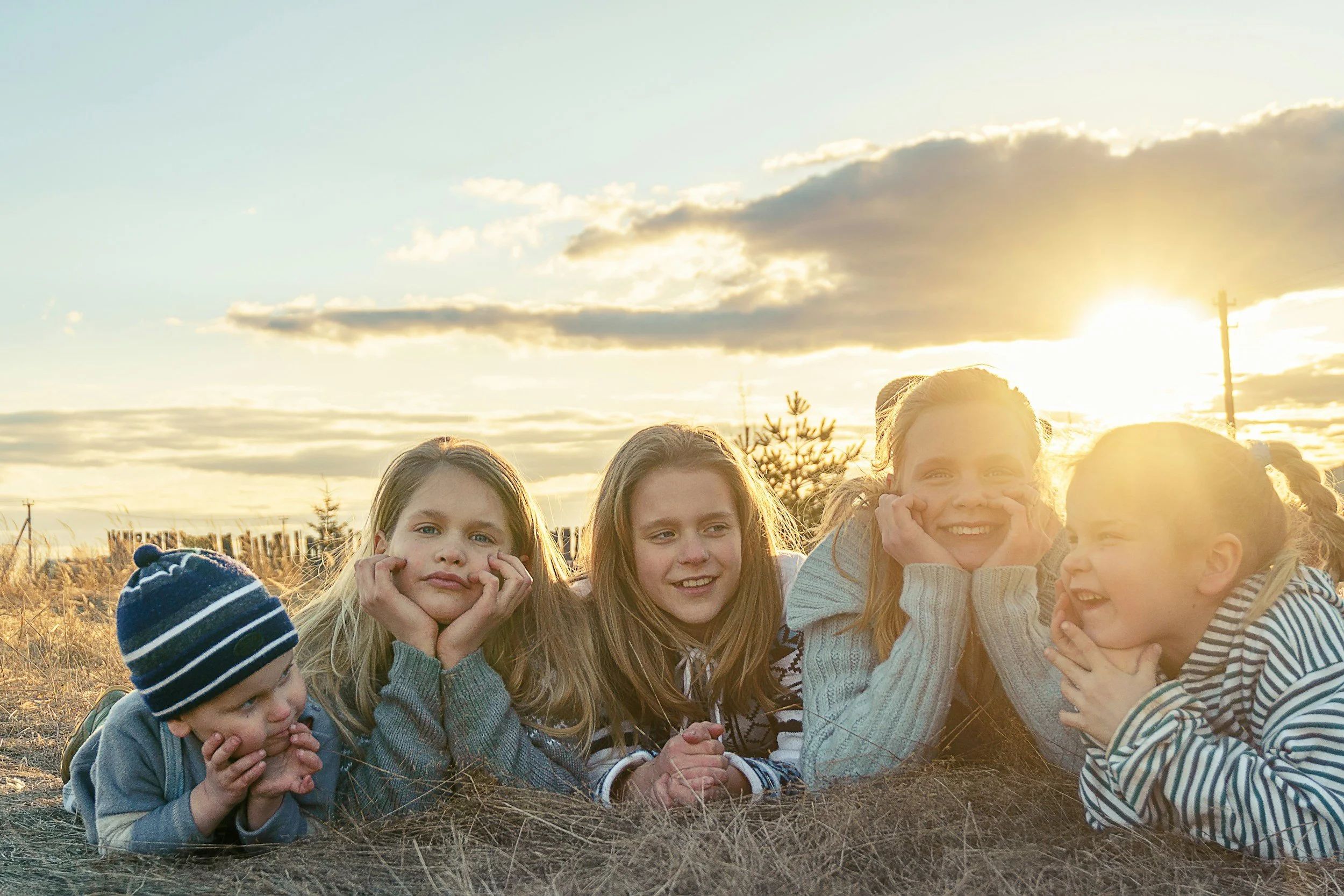
When a child is struggling socially, it’s often not just about “what to say”—it’s about how their brain is managing all the moving pieces of social interaction at once.
When we think about social skills, it’s easy to picture things like making eye contact, taking turns in conversation, or joining a group.
But in reality, social success relies on something much deeper: executive functioning.
Executive functioning skills are the foundation that support how we:
Think flexibly
Regulate emotions
Interpret social situations
Problem-solve in real time
Shift perspectives
So, when a child is struggling socially, it’s often not just about “what to say”—it’s about how their brain is managing all the moving pieces of social interaction at once.
That’s where targeted support makes all the difference.
At The Speech & Language Center, supporting social skills means going beyond surface-level strategies. We focus on helping children build the underlying skills that truly drive connection.
In our sessions and small groups, we intentionally work on:
✨ Flexible thinking
✨ Perspective-taking
✨ Self-Regulation and Self-Reflection
✨ Problem-solving
✨ Initiating and maintaining interactions in a way that feels natural and authentic
We don’t rely on scripts or rote responses. Instead, we create opportunities for kids to practice these skills in real-time, with the support and guidance they need to be successful.
This is a big part of what makes our Friendship Builders Club so impactful.
Designed for children ages 6–10, this small-group setting allows us to:
Support each child at their individual level
Facilitate meaningful peer interactions
Coach through real social moments as they happen
Build confidence in a supportive, low-pressure environment
Because social skills aren’t just about fitting in—they’re about feeling understood, capable, and connected.
And when we strengthen the executive functioning skills behind social interaction, we’re not just helping kids make friends—we’re giving them tools that support them in school, at home, and throughout life.
If you are interested in our Friendship Builders Club groups please Contact Us today and we’d be happy to chat more about next steps!