Spring Break Without Plans? Why “Boredom” Is Actually Great for Your Child’s Development
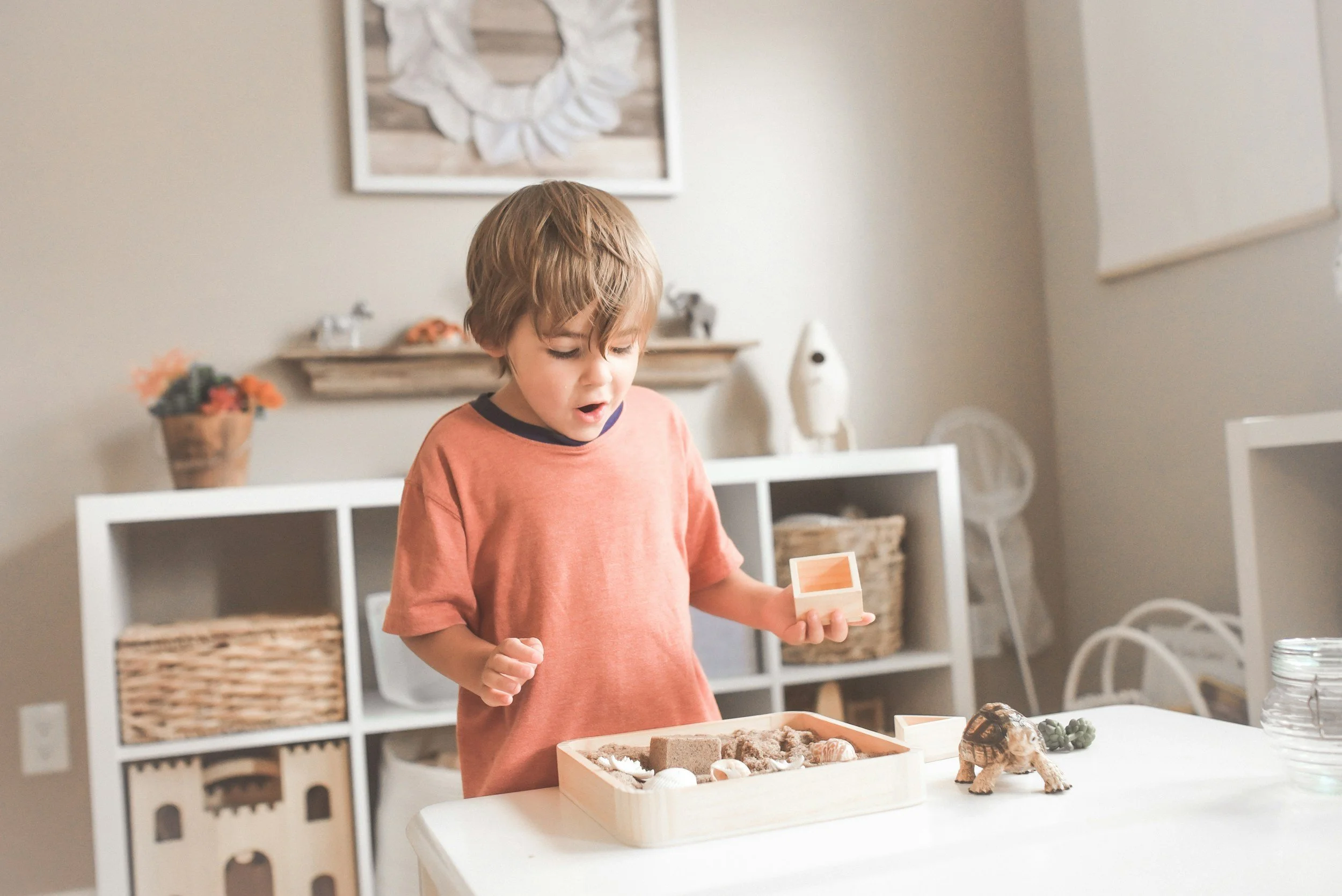
Sometimes, the best experience you can give your child… is the space and time to be bored.
When parents search for ways to keep their kids busy during Spring Break, it’s easy to feel pressure to fill every day with camps, trips, and activities. But here’s something you might not expect to hear:
It’s completely okay—and even beneficial—if your child is bored during Spring Break.
At The Speech & Language Center, we work with children and families every day to support communication, executive functioning, and social development. And one of the most overlooked tools for growth? Unstructured time.
Why Boredom Is Good for Kids
In today’s world of constant stimulation—screens, schedules, and structured activities—kids rarely get the chance to just be. But boredom isn’t a problem to fix. It’s actually an opportunity for development.
1. Boredom Builds Language Skills
When children aren’t being entertained, they’re more likely to:
Narrate their play
Ask questions
Initiate conversations
Engage in storytelling
These are all foundational communication skills we target in speech therapy.
Instead of passively consuming content, kids are actively using language—and that’s where real growth happens.
2. It Strengthens Executive Functioning
Unstructured time encourages kids to:
Plan what to do next
Problem-solve independently
Organize their ideas, plan, and play
Manage frustration
These are key executive functioning skills, which impact everything from school performance to social interactions.
(And yes—these are the same skills we work on in our social skills groups and therapy sessions!)
3. Imagination and Creativity Take Over
When there’s “nothing to do,” kids start to:
Create games
Build imaginary worlds
Role-play social situations
Think flexibly
This kind of imaginative play supports social communication, perspective-taking, and cognitive flexibility—all critical areas of development.
4. It Supports Emotional Regulation
Boredom teaches kids how to:
Sit with discomfort
Self-soothe
Transition between activities
Develop patience
These are essential life skills—and they don’t develop when every moment is pre-planned.
“But My Child Says ‘I’m Bored!’ Every 5 Minutes…”
That’s normal.
Instead of jumping in to fix it, try:
“Hmm, I wonder what you could create right now.”
“Let’s see what your brain comes up with.”
“You don’t have to figure it out right away.”
Give it time. The magic usually happens after the initial boredom.
Simple Ways to Encourage Independent Play Over Spring Break
If you’re home this Spring Break and searching for things to do with your kids, consider doing… less.
Here are a few ideas:
Put out open-ended toys (blocks, art supplies, pretend play items)
Create a simple “boredom box” with puzzles, books, and crafts
Spend time outside without a structured plan
Limit screen time to encourage creativity
You don’t need a packed schedule to support your child’s development.
A Note from a Speech Therapist
As a private speech therapy practice serving families in the West Chester, PA area, Media, PA and all around Chester and Delaware counties, we often see the benefits of slowing down.
Kids who have time to think, create, and explore:
Use more language
Engage more socially
Build stronger problem-solving skills
So if your Spring Break looks a little empty this year, that might actually be a good thing.
Looking for Support?
If you’re concerned about your child’s speech, language, or social development, our team at The Speech & Language Center is here to help.
We offer:
Pediatric speech and language therapy
Social skills groups
Executive functioning support
Contact us today to learn more or schedule an evaluation.
Bottom line:
You don’t need to plan the perfect Spring Break.