
Why Are We Launching Articulation Groups?(and Why We’re Starting with /L/)
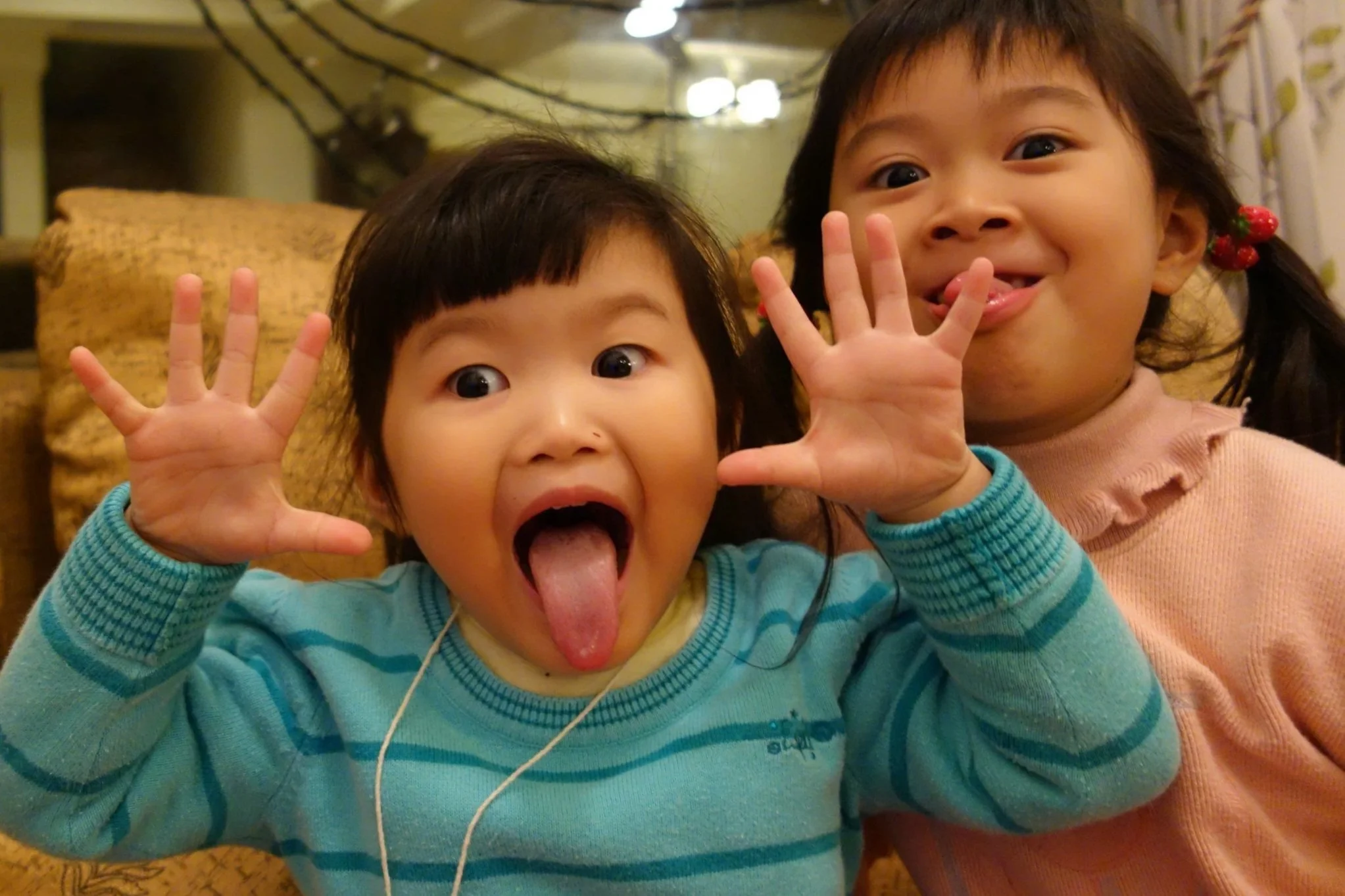
Learning about tongue placement for specific target sounds can be the key to success with improving accurate articulation patterns.
At The Speech & Language Center, one of the most common things we hear from families is:
“My child is talking a lot… but people still have a hard time understanding them.”
Very often, the reason comes down to: speech sounds.
Children may substitute one sound for another (“wion” for “lion”), leave sounds off, or distort them in ways that make their speech less clear. While these patterns are common (and typical/expected) in young children, they can linger longer than expected for some kids — especially sounds like /l/ and /r/.
That’s why we’re excited to introduce a new way to support these children in
focused and carefully curated Articulation Groups.
Why do group articulation therapy?
Traditional one-on-one speech therapy is wonderful and necessary for some— but it isn’t always the best format for every child or every sound. It can also be expensive and feel isolated vs immersive.
Some children:
Need more repetitions than a single weekly session provides
Benefit from hearing peers model the sound
Struggle to use their new speech skills outside of structured drills
Small groups create the perfect bridge between learning a sound and actually using it in real life.
In an articulation group, children get:
Direct teaching of how to make the sound
Lots of chances to practice
Peer modeling
Parent/Caregivers are present and actively involved in the learning process
And built-in opportunities to use the sound in play, conversation, and social interaction
Why we’re starting with /L/ sound
The /l/ sound is one of the most commonly misunderstood sounds for young children.
Many 4–5 year olds use a pattern called gliding, where they replace /l/ with /w/:
“wion” for lion
“weaf” for leaf
“yewwow” for yellow
This happens because /l/ requires a very specific tongue movement — the tongue tip has to lift up and touch the “l-spot” just behind the teeth. For some children, that movement is tricky, and they use an easier sound instead.
Our first articulation group will focus on helping children:
Learn where their tongue should go
Feel and hear the difference between correct and incorrect productions
Practice /l/ in words, phrases, and real play
We’ll work through /l/ at the beginning, middle, and end of words and help children start using it naturally when they talk.
What makes our articulation groups different
Our groups are:
Led by licensed, experienced Speech-Language Pathologists
Intentionally small for lots of individualized feedback
Play-based, movement-rich, and socially engaging
Structured so skills build from week to week
We also require children to enroll for the full program because speech sound change depends on consistency and repetition — not drop-in attendance.
At the end of each group, families receive a brief progress update and guidance about next steps.
What’s coming next
We’re starting with /L/, and /R/ is coming soon.
These sounds are developmentally later, commonly tricky, and often the last ones to fully fall into place — which makes them perfect for this kind of targeted, group-based support.
Whether your child is just starting to work on a sound or has been practicing for a while without much progress, articulation groups can be a powerful and motivating way to help their speech become clearer and more confident.
Shoot us an email using the button below to get in touch and learn more!